
A Building Manager’s Guide to Sustainable Operations in 2026

If you think a building manager's job is just about fixing leaks and changing lightbulbs, it’s time to think again. The role has exploded far beyond simple caretaking. Today, it’s a strategic leadership position that steers a building's financial health, operational success, and its ethical standing.
The Modern Building Manager: A Strategic Urban Leader

Picture the modern building manager as the captain of a massive ship navigating the city. They’re tasked with steering the property through the constantly shifting currents of market demands, tech advancements, and community values. Every single decision sends out ripples, affecting not just the bottom line but the building's impact on the world around it.
This is particularly true in a bustling hub like Atlanta, where corporate HQs, hospitals, and universities are in a state of perpetual motion. The job demands a forward-thinking mindset, one that can turn routine operational tasks into genuine opportunities for making a difference.
A Position of Significant Impact
The sheer scale of this role is staggering. The property management and construction sectors are massive pillars of the U.S. economy. Consider this: the construction industry alone accounts for over 919,000 establishments, provides jobs for 8.0 million workers, and puts nearly $2.1 trillion in new structures on the ground each year. The choices these managers make carry immense weight, shaping both economic fortunes and environmental legacies. You can dig into these stats over at the Associated General Contractors of America.
A building manager today is working at the crossroads of several critical fields:
- Financial Oversight: Juggling budgets, reining in operational costs, and finding ways to maximize the asset's value.
- Operational Excellence: Making sure every system, from the HVAC down to the IT network, is running like a well-oiled machine.
- Stakeholder Relations: Serving as the central point of contact for tenants, contractors, vendors, and corporate leadership.
- Regulatory Adherence: Expertly navigating the tangled web of local, state, and federal compliance laws.
A building manager's choices no longer stay within the property line. They directly influence community well-being and a company's public image, which is why sustainability has become a core job function.
The Rise of Sustainability and ESG
In the last few years, Environmental, Social, and Governance (ESG) criteria have gone from a fringe idea to a boardroom priority. For a building manager, this means sustainability isn't a "nice-to-have"—it's a critical performance metric. And one of the biggest tests of this commitment is how they handle discarded electronics, or e-waste.
Tossing out old computers, servers, and monitors the wrong way opens the door to huge risks, from costly data breaches to environmental fines. But it also creates a powerful opportunity. By working with a mission-driven recycler, a building manager can transform a simple compliance task into an incredible story of positive community impact. It’s a foundational piece of any real business sustainability strategy.
This is where the goal of "Recycling That Restores Lives and Landscapes" becomes a reality—transforming old, obsolete tech into crucial funding for veteran assistance and resources for reforestation. It’s proof that great leadership doesn’t just build properties; it builds a stronger, better community.
From Caretaker to Strategist: The Role's Evolution
If you think a building manager’s job is just about collecting rent and fixing leaky pipes, you’re about a century out of date. The role has changed dramatically, shifting from a simple caretaker to a complex, strategic leader at the very heart of a property's success. Understanding this journey is key to grasping the high-stakes demands of the job today.
Back in the early 20th century, overseeing a property was often a pretty casual affair. That all started to change during the Great Depression. As banks suddenly found themselves owning foreclosed rental properties, they realized they needed a structured, professional approach to management. This led to the 1933 founding of the Institute of Real Estate Management (IREM), a major turning point in the history of property management practices.
This was the beginning of the end for the informal caretaker model. It paved the way for trained professionals who could systematically manage tenant relations, oversee repairs, and navigate regulations—the foundation of the strategic role we see today.
From Crisis to Opportunity
The next major shake-up came with the 1970s energy crisis. With fuel prices going through the roof, building operations had to be completely reevaluated. All of a sudden, the person running the facility wasn't just a background player; they were on the front lines of cost control.
This crisis pushed building and facilities managers into a more strategic position. Their new mission? Find creative ways to slash energy consumption. This is when we saw the first real investments in computerized HVAC systems and early building automation, with some properties managing to cut their costs by as much as 30%.
This shift cemented a new expectation: the building manager was now responsible not just for keeping the lights on, but for keeping them on as efficiently and cost-effectively as possible.
The Modern Strategic Imperative
This long history of adaptation is what defines the modern building manager's job. Decades of post-war growth, expanding regulations, and new technologies have continuously added layers of complexity, pulling in duties from marketing, finance, compliance, and even customer service.
And that evolution is only picking up speed. Today's building manager has to be a tech guru, comfortable with everything from smart building systems to IoT sensors. Even more importantly, they must be a leader in sustainability, weaving ESG goals into every single operational decision.
This includes tackling one of our most pressing modern challenges: the responsible disposition of electronic assets. A truly strategic manager now knows how to turn potential e-waste liabilities into powerful opportunities for corporate social responsibility. They can transform old electronics into tangible benefits for the community and the environment—a world away from the simple rent collectors of the past.
Juggling The Day-to-Day: A Look Inside a Building Manager's World
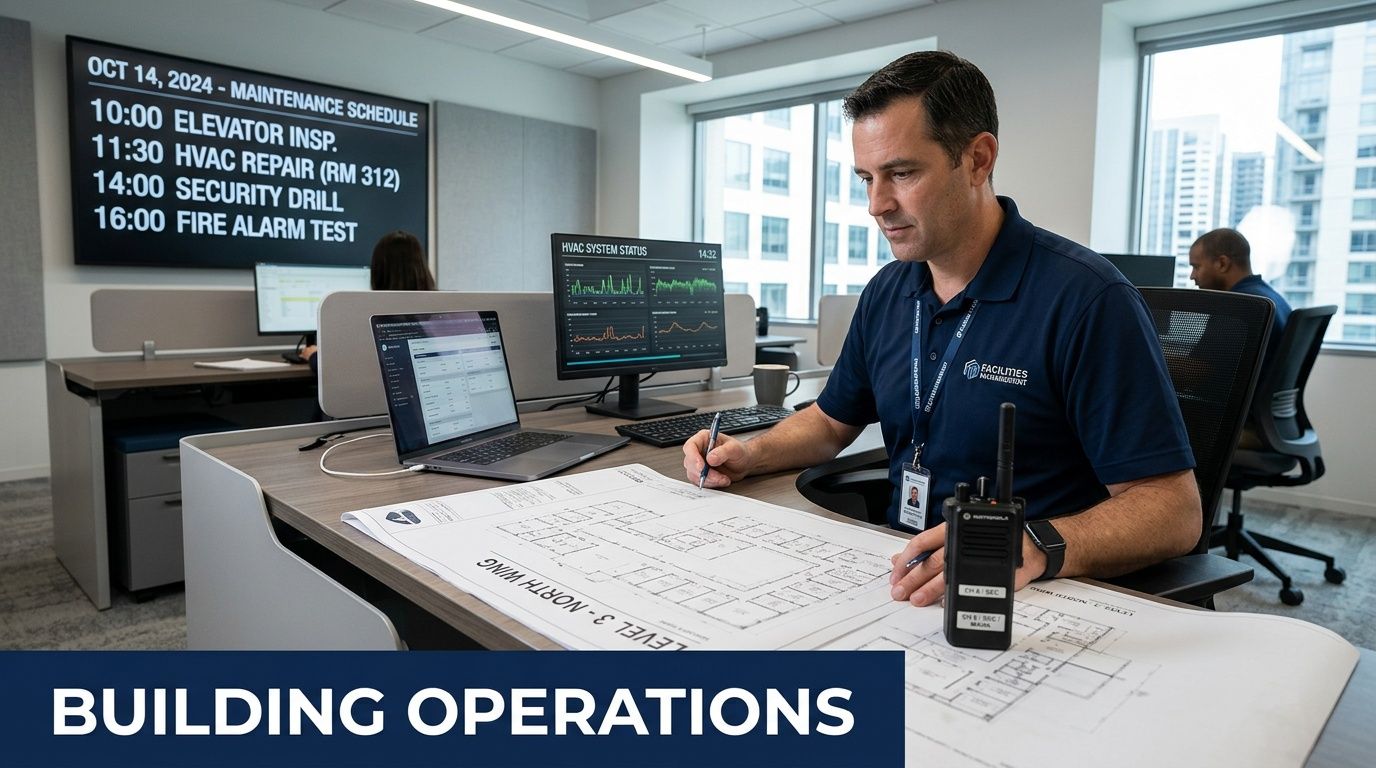
When you picture a building manager, what comes to mind? If it's just someone fixing leaky faucets, you're only seeing the tip of the iceberg. A truly effective building manager is more like the captain of a ship—they're responsible for steering the entire operation, from navigating tight budgets to keeping the crew (tenants and staff) safe and happy.
This role isn't just about reacting to problems as they pop up. It's about proactively managing a complex, living asset. A building manager’s responsibilities really boil down to four core areas that shape both their daily to-do list and their long-term strategy.
The Four Pillars of Effective Building Management
A great building manager constantly balances these four key areas. It’s a juggling act that requires a unique mix of technical know-how, financial savvy, and excellent people skills to keep a property running like a well-oiled machine.
- Financial Management: This is all about the numbers. It means creating and sticking to budgets, keeping a sharp eye on operational costs, and handling rent collection. For instance, a manager might dive into the utility bills, hunting for ways to save on energy, or renegotiate a vendor contract to secure better value for the property.
- Operational Oversight: Here’s where the hands-on work comes in. This covers everything from scheduling preventative maintenance on the HVAC system to managing emergency repairs and overseeing all third-party vendors—think cleaners, landscapers, and security teams.
- Tenant and Stakeholder Relations: A building is nothing without its people. The manager is the main point of contact for tenants, fielding their concerns and working to keep satisfaction high. This pillar also includes clear communication with property owners, investors, and anyone else with a stake in the building's success.
- Regulatory Compliance: This is a huge, non-negotiable part of the job. It involves making sure the property meets all local, state, and federal regulations. This can be anything from Atlanta-specific fire safety codes and accessibility standards to environmental laws governing waste.
The real magic of a skilled building manager is their ability to see how these pillars connect. They might be coordinating a major HVAC upgrade (Operational), while also securing the financing for it (Financial), clearly communicating the work schedule to tenants (Relations), and ensuring every permit is pulled and all work meets city code (Regulatory).
This kind of thinking shows a deep understanding of how each function impacts the others. For example, investing in proactive facility maintenance doesn't just improve the building's reliability; it also boosts tenant satisfaction and prevents expensive emergency repairs later on, which is a big win for the budget. It's this strategic mindset that elevates a great building manager from a simple caretaker to a true asset manager.
Using Technology For Smarter Building Management
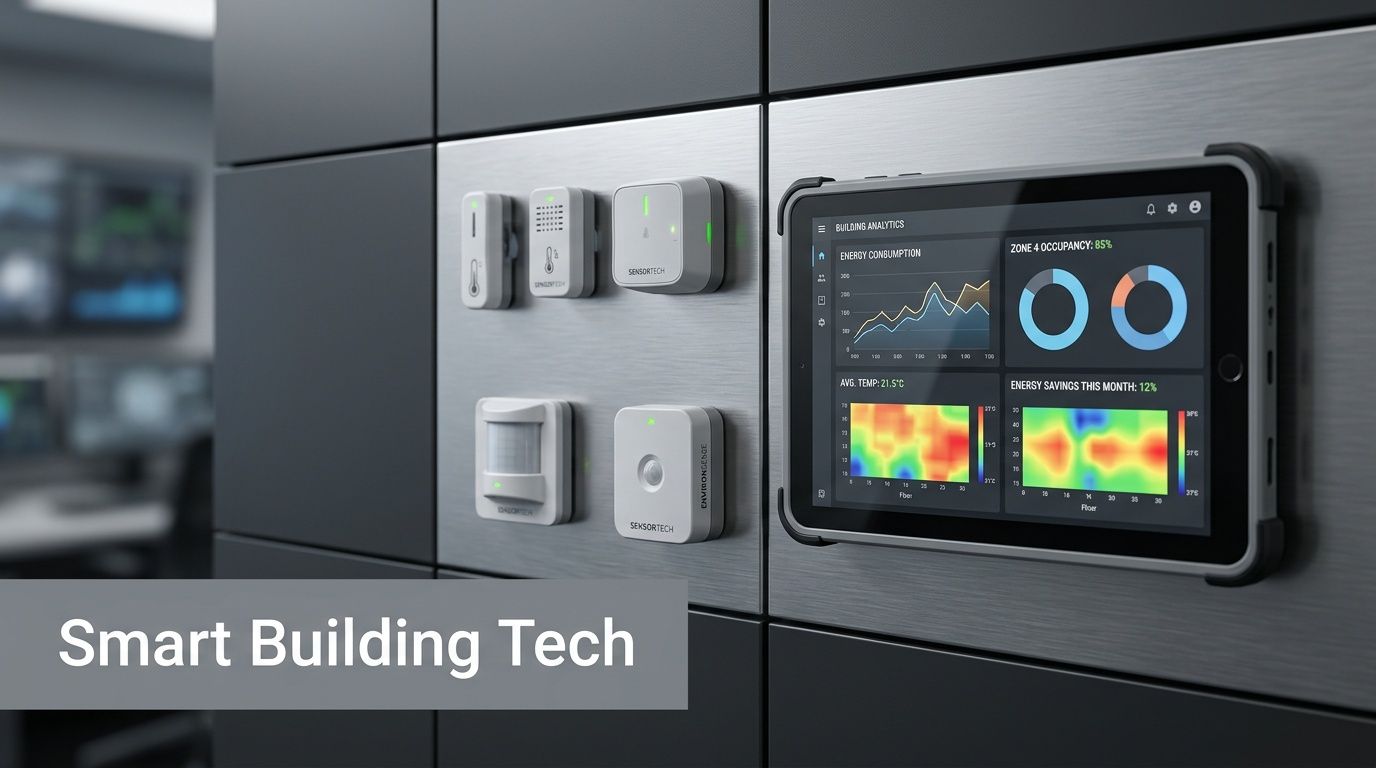
Technology is no longer just a helpful tool for a building manager; it’s the very heart of a modern property's operations. The days of walking the halls with a clipboard, reacting to maintenance calls as they come in, are long gone. Today, a building’s health is tracked, analyzed, and fine-tuned through a powerful set of digital tools.
This change didn't happen overnight. We've come a long way from the purely manual oversight of the 19th century. The real turning point came in the 1980s with the first Building Management Systems (BMS), which brought HVAC, lighting, and security under one digital roof. These early systems were a massive leap forward, capable of cutting energy use by 20-40% in commercial buildings.
From Manual To Automated: A Technology Timeline
This table captures the incredible journey of building management technology, showing how each innovation reshaped the role.
| Era | Key Technology | Primary Impact For Building Managers |
|---|---|---|
| Pre-1980s | Manual Controls & Logs | Reactive maintenance, high labor costs, inefficient energy use. |
| 1980s-1990s | Building Management Systems (BMS) | Centralized control of HVAC & lighting, enabling major energy savings. |
| 2000s | Internet & IoT Sensors | Remote monitoring, predictive maintenance alerts, granular data collection. |
| 2020s & Beyond | AI & Machine Learning | Automated energy optimization, proactive strategy, enhanced tenant experience. |
The evolution from manual switches to AI-driven platforms highlights a clear trend: technology is making buildings smarter and the manager’s job more strategic.
The Rise of the Smart Building
At the core of this transformation is the Building Management System (BMS). Think of it as the property's command center—a centralized computer system that connects to a whole network of sensors and controllers. This setup lets a building manager oversee everything from a single dashboard.
It’s like a smart home, but on a massive, commercial scale. Instead of just tinkering with your thermostat, a BMS can orchestrate the entire building environment.
- Predictive Maintenance: Internet of Things (IoT) sensors can be placed on critical equipment like air handlers or pumps. They pick up on tiny changes in vibration or temperature that signal a problem is on the horizon, allowing you to schedule a fix before a catastrophic failure leads to downtime and angry tenants.
- Energy Optimization: A modern BMS doesn't just stick to a timer. It can automatically dim lights in empty rooms, adjust the AC based on real-time weather forecasts, and even shift energy consumption to off-peak hours when utility rates are lower.
- Enhanced Security: A BMS shines when it unifies different security systems. It can integrate everything from surveillance cameras to a sophisticated access control system, giving you a complete, real-time picture of building safety.
This shift to data-driven management means a building manager can move from being a reactive problem-solver to a proactive strategist, using analytics to drive efficiency and improve the tenant experience.
The New Challenge of Tech Upgrades
Of course, this constant march of technology creates a new responsibility: managing the lifecycle of all that IT hardware. Every time you upgrade servers, network gear, or security cameras, you're left with a pile of old electronics.
For a forward-thinking manager at a hospital, corporate campus, or data center, figuring out what to do with this e-waste is a major task. This is where having a reliable partner becomes absolutely critical, ensuring your old tech is handled securely, sustainably, and in full compliance with regulations. To get a better handle on this, check out our guide on smart building tech.
Driving Sustainability Through E-Waste Management
As a building manager, your job goes far beyond the physical structure. You’re now on the front lines, helping shape your company's sustainability story. With Environmental, Social, and Governance (ESG) goals moving from a talking point to a boardroom priority, how you handle electronic waste has become a surprisingly critical part of your job.
This isn’t just about clearing out a storage room full of old computers. For any business in Atlanta, getting electronics disposal wrong is like walking through a minefield. One unsecured hard drive can lead to a devastating data breach. Tossing old tech into a landfill can bring steep environmental fines and tarnish a brand reputation that took years to build.
But here’s the flip side: this challenge is also a massive opportunity. Responsible e-waste management is one of the most powerful ways a building manager can make a real, measurable impact.
Turning E-Waste into a Strategic ESG Win
Instead of seeing that pile of outdated electronics as a headache, what if you saw it as a resource? This is where partnering with a purpose-driven recycler completely changes the game. When you work with a partner like GreenAtlanta.com, you're not just ticking a compliance box—you’re stepping into a cycle of genuine positive change.
We built our dual-impact model on a simple but profound idea:
Your old tech can house a veteran and grow a forest.
That’s not just a catchy phrase; it’s exactly what we do. Every piece of equipment your building recycles with us directly funds two vital missions: supporting our nation's veterans and reforesting local landscapes through the USDA. It’s a chance for you to turn e-waste into hope.
A Partnership Built on Purpose and Impact
Working with us immediately positions you, the building manager, as a leader in corporate social responsibility (CSR). It’s an easy ESG win for your company, strengthened by an authentic, local story that resonates. We’ve designed the entire process to be completely seamless for our corporate partners.
For Atlanta businesses, we offer free pickup for 50 or more devices. Our team handles all the logistics, so you can stay focused. After collection, we deliver transparent documentation perfect for your CSR reporting, including:
- Veteran Support Impact Reports: These reports quantify the direct social good your recycled electronics have funded, showing how you're helping veterans in need.
- Plant-A-Tree Certificates: Each certificate confirms the exact number of trees planted in your company's name, giving you a clear, tangible metric of your environmental stewardship.
This gives you a compelling narrative to share with your stakeholders, tenants, and the wider community. You can proudly show how your property is part of a "Greener Atlanta," proving a commitment that goes well beyond the basics. To get a better sense of the big picture, you can explore the ins and outs of electronic recycling in Atlanta and how it all fits together.
Your Action Plan For Purposeful Recycling In Atlanta
Ready to turn your building's old electronics from a logistical headache into a genuine story of local impact? We’ve put together a simple action plan for Atlanta building managers who want to handle e-waste responsibly and create a positive ripple effect. This isn't just about compliance; it's about turning a routine task into a powerful statement of community and environmental support.
This simple flow shows exactly how your old equipment can fuel a cycle of good.
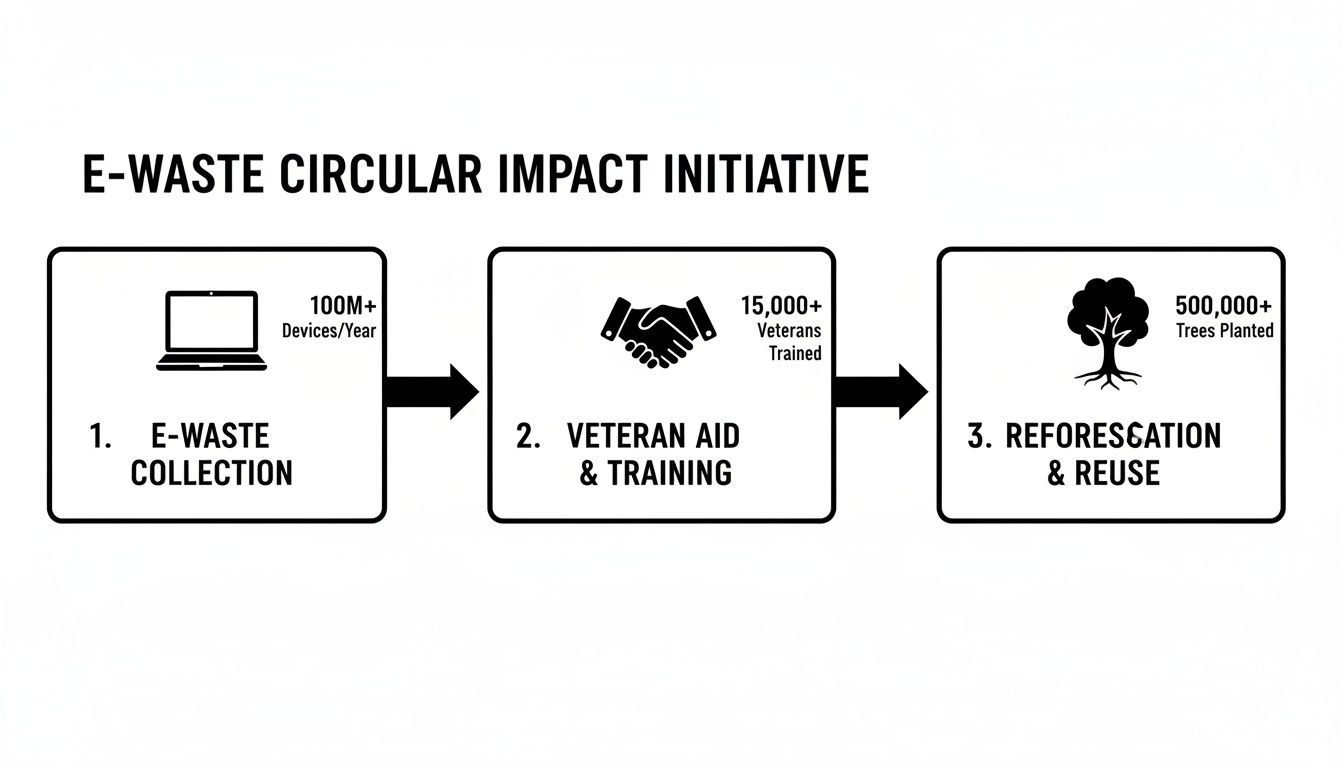
As you can see, there’s a direct line from disposing of old tech to funding vital support for veterans and helping reforest our planet.
Your Three-Step Checklist
Here’s a quick look at how you can get started and make a real, measurable difference.
Schedule a Free Pickup: If your building has 50 or more devices ready for recycling, our team offers a free pickup service across the entire Atlanta metro area. Just get in touch to set a time that works for you, and we’ll handle the rest. No heavy lifting or logistical juggling for your staff.
Receive Your Impact Documentation: Once your electronics are processed, we don't just send a receipt. We provide official reports detailing your contribution, including Veteran Support Impact Reports and Plant-A-Tree certificates. This gives you tangible data for your company's CSR and ESG reporting.
Showcase Your Commitment: You’ll also get our "Recycled with Purpose" digital badge to display on your website, in sustainability reports, or in tenant communications. It’s a clear and simple way to show everyone your building's commitment to social good.
By following these steps, you’re doing so much more than clearing out a storage room. You are actively participating in a program that helps restore lives and landscapes—a powerful message that resonates with tenants, investors, and the wider community.
This straightforward process is becoming a key part of modern, responsible facilities management. For a deeper dive into compliant disposal options, be sure to check out our guide on where to recycle electronics in the Atlanta area.
Your Top E-Waste Questions, Answered
If you're a building manager in Atlanta, you've got a lot on your plate. Juggling tenant needs, operational efficiency, and your building's bottom line is a constant balancing act. When it comes to handling old electronics, you probably have a few questions. Let's get right to them.
What Kind Of Electronics Can You Take Off My Hands?
Just about any business IT asset you can think of. We handle the usual suspects like computers, laptops, servers, and monitors, but we also take care of networking gear, printers, and mobile devices.
We're also fully equipped for bigger jobs like full data center decommissioning. The goal is to be your single point of contact, ensuring all your corporate e-waste is responsibly handled and kept far away from landfills.
How Do I Know My Building's Sensitive Data Is Actually Destroyed?
This is the big one, and we don't take it lightly. Data security is the foundation of our entire process. We perform secure data destruction that meets the rigorous DoD 5220.22-M standards. For any drives or media that are no longer functional, we go a step further with physical shredding.
Once the job is done, we issue official Certificates of Data Destruction. This gives you a clear, auditable paper trail, which is crucial for compliance with regulations like HIPAA, and confirms your company's private information is gone for good.
This isn't just about checking a box. It’s about turning a huge potential liability—lingering sensitive data—into a verified, secure, and fully closed loop. You get total peace of mind.
What Does This Cost? Is It Free?
For most of our business partners, yes. If you're in the Atlanta metro area and have 50 or more qualifying devices, our pickup, logistics, and transportation services are completely free. It’s a straightforward way to manage your e-waste responsibly without hitting your budget.
If you have a smaller batch of equipment or need a specialized service, we'll give you a simple, transparent quote right from the start. We want to make responsible IT recycling a no-brainer for every organization, big or small.
How Does This Help With Our Building's ESG Goals?
Partnering with us delivers an immediate and tangible boost to your ESG (Environmental, Social, and Governance) initiatives. This goes way beyond simple recycling compliance.
Your old electronics directly fund our veteran support programs and help reforest our planet. We provide you with Veteran Support Impact Reports and official Plant-A-Tree certificates. These are powerful, real-world results you can proudly feature in your corporate social responsibility reports, showing a genuine commitment that resonates with tenants, investors, and your community.
Ready to turn your building's electronic waste from a headache into a powerful story of environmental stewardship and community support? Let's make a real, measurable impact together.
Partner with GreenAtlanta.com today. Learn more and schedule your free pickup.